
A canopy with a cost
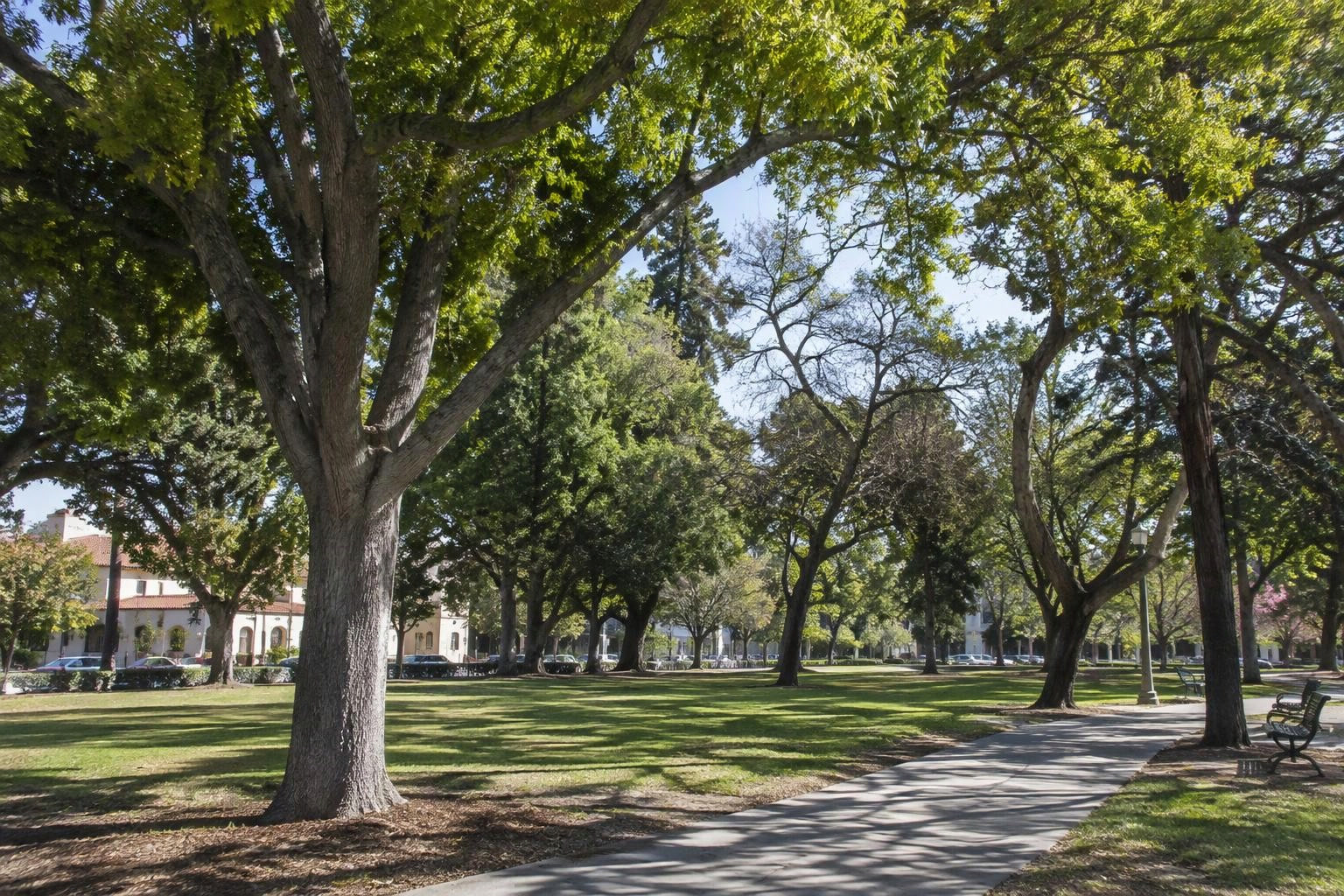
At Playhouse Village Park, a solar canopy proposal comes with a question about 23 trees. They are among 52 public trees proposed for removal across four city-owned sites in Pasadena, California. The trees are in fair or better condition.
The same number of trees is proposed for removal at City Yards. The remaining removals are at two other sites. The city's Urban Forestry Advisory Committee was scheduled to consider whether to support the request. The City Council has final authority.
A Public Works memorandum said the trees conflict with the planned solar installation footprints. Staff had not identified feasible designs that would avoid the removals.
The ground matters too
The canopies are connected to Pasadena's goal of obtaining all city electricity from carbon-free resources. But the tree count alone does not show what happens to shade at each site.
A canopy could shade some ground while tree removal changes sun exposure elsewhere. The result would depend on the design, the trees and the time of day. A place that stays shaded at noon could receive more sun in the afternoon. The decision is not only how much shade remains, but where it falls.
That distinction matters at a park. A change in exposure near a place where people sit or walk could be more important to its users than a similar change elsewhere on the site. The proposal does not establish those effects on its own.
Put the layouts on the same ground
A city planning team could use infrared.city to compare existing conditions with the proposed layout at Playhouse Village Park. The simulation library includes solar radiation and direct sun hours. These can show solar energy reaching ground and roof surfaces, and how long areas receive direct sun.
The team could compare results for the same weather and period. A thermal comfort analysis could add a view of conditions across the ground. Solar radiation is incident energy, not a prediction of electricity production.
The comparison could help staff show the council where the proposed layout changes exposure. If feasible alternatives are identified, staff could test those against the same baseline. A citywide adaptation assessment could then place the sites in a wider heat context. The cities overview describes climate layers for planning across a city.
Sources
- Pasadena Now , accessed 24 Nov 2026.